Contents
At a glanceSide-by-side comparisonWeight and payloadStrength and durabilityCostRust and the British weatherOur verdictFAQsMost van racking is made from steel or aluminium, and the choice affects cost, weight and how the racking copes with years of knocks. Steel is cheaper and very tough. Aluminium is lighter and does not rust, but costs more. Neither is the right answer for every van. The right pick depends on the van you drive and the kit you carry every day.
This guide compares the two side by side. We look at weight, strength, price, corrosion and the effect on payload, then suggest which suits different trades and vans. If you are unsure, the payload figure on your door pillar plate is often the deciding factor. We also cover mixing the two, which is more common than many people think. By the end you should know which material suits your loads, your payload and your budget.
At a glance
Steel racking


Popular choices include the Panana Steel Black Angled Shelf Unit (£22.99), Panana Steel Silver Low Height Racking (£19.99) and Rhino Racking 200kg Steel Double Shelving Unit (£59.99).
See the whole steel van racking range.
Aluminium racking
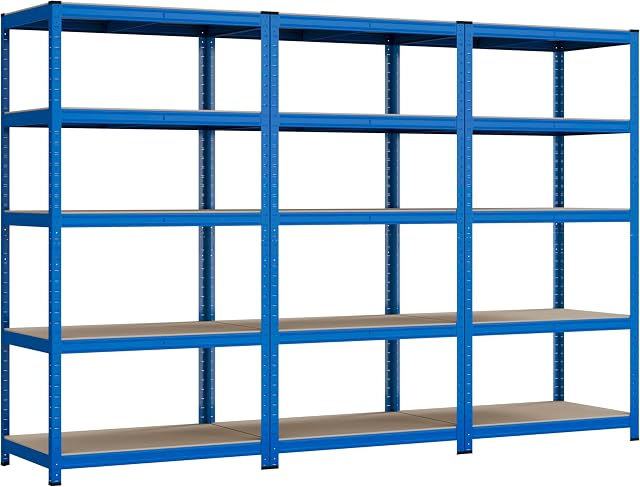


Popular choices include the Racking 200KG 1800mm Aluminium Van Racking (£144.99), VonHaus 175kg Plastic And Composite Storage (£42.99) and DIVCHI 175kg Aluminium Plastic And Composite Storage (£21.29).
See the whole aluminium van racking range.
Side-by-side comparison
| Feature | Steel racking | Aluminium racking |
|---|---|---|
| Weight | Heavier | Much lighter for the same size |
| Typical price | Lower | Higher |
| Resistance to knocks | Very good, resists dents | Good, but can dent more easily |
| Rust | Needs a good coating | Does not rust |
| Effect on payload | Uses more payload | Saves payload |
| Best for | Heavy tools and tight budgets | EVs, small vans and heavy stock loads |
| Repairs | Easy to weld or bend back | Harder to repair |
Weight and payload
Weight is the biggest difference. An aluminium unit can weigh a good deal less than a steel unit of the same size. In a small van or an electric van with a modest payload, that saving can be the difference between legal and overloaded once you add tools and stock.
Steel's extra weight matters less in a big van with plenty of payload, or for trades that carry light items. Check your van's payload before you decide. If you will be close to the limit with steel, aluminium is worth the extra cost.
Strength and durability
Steel is very tough and resists dents from tools and materials being thrown in at the end of a long day. Bent steel can often be straightened. Good steel racking with a powder coat can last for many years.
Aluminium is strong for its weight and carries normal shelf loads well. It can dent more easily under a sharp knock, and repairs are harder. Many aluminium systems use thicker sections or reinforced edges to make up for this.
Cost
Steel racking is generally cheaper to buy. Budget and mid-range units are mostly steel, while premium systems are offered in both. If you need a lot of racking on a tight budget, steel gets you more for your money.
Aluminium costs more up front, but the saved weight can reduce fuel or energy use over time. Whether that adds up depends on your mileage and loads. For many trades, the main gain is in payload rather than running costs.
Rust and the British weather
Steel needs a good coating to resist rust, especially in vans that carry wet tools or work near the coast. Chips in the paint can start to rust if left. Check for galvanised or powder coated finishes.
Aluminium does not rust in the same way, which helps in damp vans. It can still mark or corrode slowly in some conditions, but it generally copes better with wet kit than bare steel.
Our verdict
Choose steel if you want the lowest cost, carry heavy tools that take knocks, and have plenty of payload to spare. It is the sensible choice for most large diesel vans.
Choose aluminium if payload is tight, if you drive an electric or small van, or if you want racking that will not rust. Many trades mix the two, with steel low down for heavy kit and aluminium higher up.
Prefer to browse everything? Our full ranges of steel van racking and aluminium van racking have more sizes, finishes and price points than we could fit here.
Frequently asked questions
Is aluminium van racking strong enough?
Yes, for most trades. Good aluminium racking carries listed shelf loads well. It can dent more easily than steel under sharp knocks, so check the ratings and choose units with reinforced edges if you carry heavy items.
How much weight does aluminium racking save?
It varies by design, but aluminium units are usually much lighter than steel units of the same size. Compare the weights given in each listing to see the difference for the units you are considering.
Does steel van racking rust?
It can if the coating is chipped and left. Powder coated or galvanised finishes resist rust well. Touch up damage and dry wet tools before storing them to help the racking last. It is a small job that keeps the racking looking good.
Can I mix steel and aluminium racking?
Yes. Many vans use steel for lower shelves and drawers that take heavy loads, and aluminium for upper shelves. Check that fixings are compatible and that you stay within your van's payload. Many fleets do this to save weight.